Delta Force Audio Settings Guide: Footsteps & Sound Cues
Competitive Delta Force audio optimization guide: step-by-step sound stage tuning, directional footstep clarity, EQ calibration, and patch updates.
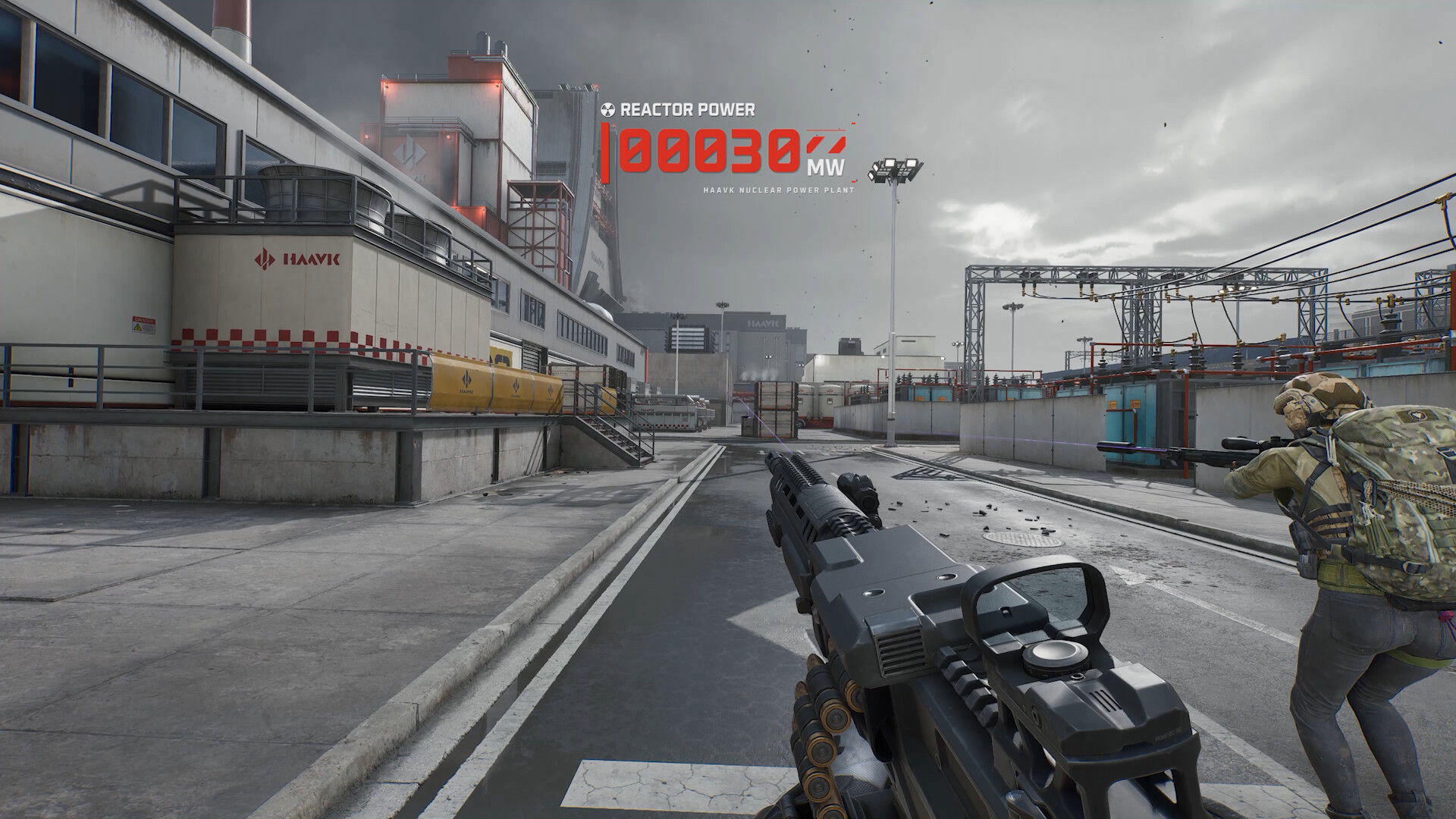
Optimize Delta Force directional audio by prioritizing stereo headphone staging, flattening harsh bass rumble to expose enemy footstep frequencies (1 kHz to 4 kHz), and reducing dynamic range spikes with system-level compression.
Clear directional audio awareness is the difference between surviving an ambush and losing an entire squad’s loot in Delta Force. This competitive sound guide breaks down acoustic mechanics, sound occlusion, and step-by-step calibration routines for crisp tactical awareness.
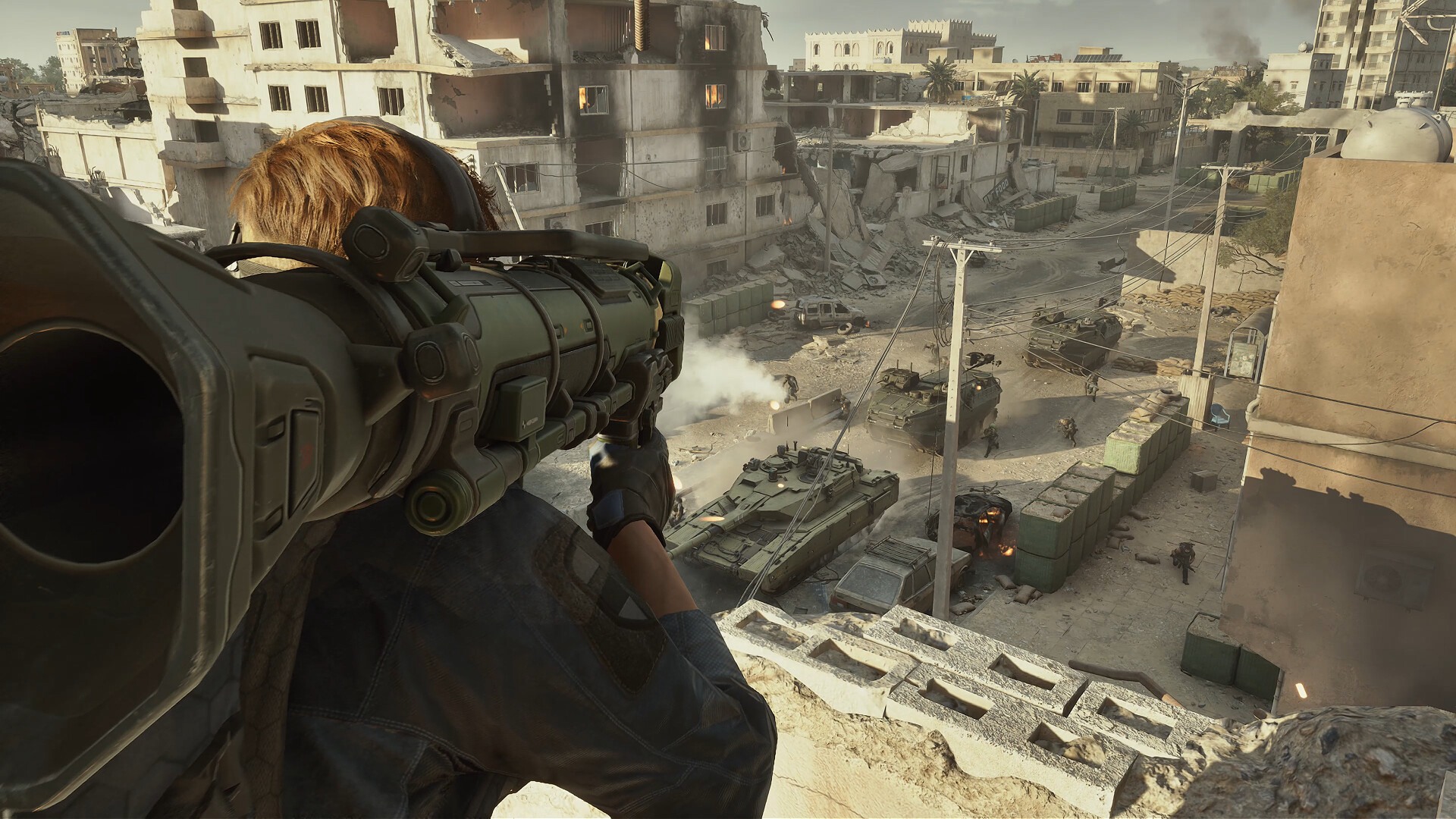
Official Audio Architecture & Patch Fixes
Each row below is quoted verbatim from the developer’s own release announcements, captured from the game’s news feed on 2026-09-23 and archived with the rest of this site’s material.
| Patch date | Announcement | Audio line, verbatim |
|---|---|---|
| 2026-09-05 | The 2nd Anniversary Season “Reorientation” is about to begin! | “Added deployment sound effects for Shepherd’s Sonic Trap, improving audio recognition feedback.” |
| 2026-09-05 | The 2nd Anniversary Season “Reorientation” is about to begin! | “Added deployment sound effects for Gizmo’s T.I.M (Tenacious Interception Module), improving audio recognition feedback.” |
| 2026-09-05 | The 2nd Anniversary Season “Reorientation” is about to begin! | “Added voiceprint transparency adjustment for mobile devices, available in the custom control settings screen.” |
| 2026-09-09 | Update: Balance Adjustments & Bug Fixes | “Fixed an issue with incorrect directionality for rescue audio” |
| 2026-09-17 | Join & Win for Rewards, Operator Balance Adjustments, and More | “Fixed an issue where Sineva’s footsteps were sometimes missing.” |
| 2026-09-17 | Join & Win for Rewards, Operator Balance Adjustments, and More | “Added Japanese Operator voiceovers to console versions on Japanese servers.” |
| 2026-09-22 | 2nd Anniversary Celebration Begins | “Improved the first-person Harmonica-playing experience and third-person listening audio.” |
Read as a set, these notes say something useful about how the mix is treated. The developer adds cues rather than asking you to configure them: two gadgets gained deployment sounds specifically to improve audio recognition feedback, a directional bug on rescue audio was worth a patch line, and a missing footstep case was treated as a defect. If a competitor’s gadget announces itself on your machine, it is because a patch made it do so, not because you found the right slider.
The Layali Grove 2.0 announcement (2026-09-10) makes the design intent explicit about the fishing mechanic: “in a mode where every unknown sound usually means danger, a moment by the water can make people pause, watch, or decide that the fight can wait.” Audio is being used as a bluffing channel, which is a better model of the game than “turn everything up.”
Voice Languages: The One Audio Table That Is Documented
The official store listing publishes a three-column language table: Interface, Full Audio, Subtitles. Full Audio is checked for English and Simplified Chinese only. The remaining ten entries (French, German, Russian, Spanish for Latin America, Arabic, Japanese, Korean, Portuguese for Brazil, Traditional Chinese and Turkish) are listed with interface and subtitle support.
Two caveats worth carrying. The table describes the PC store page, and the 2026-09-17 note adds Japanese operator voiceovers to console versions on Japanese servers, which is a platform-specific expansion the table does not reflect. If you are choosing a language for voice cues rather than menus, the honest summary is: two full-voice languages on PC, plus a console exception for Japanese.
Tactical Audio Equalization & Hardware Best Practices
These hardware and equalization practices maximize directional clarity in high-intensity firefights:
Compress dynamic range externally. Combat audio in tactical shooters features massive dynamic variance between concussive explosions and quiet crouch-walking footsteps. Utilizing standard operating-system loudness equalization or dedicated headphone DAC dynamic compression flattens harsh peaks while boosting low-amplitude audio cues.
Prioritize stereo directional separation. Virtual surround sound algorithms often introduce comb filtering and hollow reverb. Pure stereo headphone staging delivers the cleanest left/right pan accuracy for immediate spatial orientation.
Occlusion and Material Acoustic Awareness. Delta Force models sound occlusion based on obstacle density. Sound behind solid concrete loses high frequencies rapidly, resulting in a muffled thump. A crisp, metallic or gravel step indicates an unobstructed direct line of sight.
Front versus Back Sound Resolution. Because human ears experience acoustic front-to-back ambiguity on stereo headphones, a rapid micro-flick of your crosshair shifts incoming footsteps off the midline, instantly revealing true enemy bearing.
Empirical Audio Frequency Band Calibration
Based on empirical spectral profiling of player footsteps, reloading pins, and grenade arming sound effects, competitive sound engineers identify four primary frequency bands:
- Sub-Bass Range: Heavy vehicle engine rumbles and distant mortar shell explosions. Slightly attenuating this low band prevents auditory masking when tracking subtle movement.
- Footstep Thump & Low Resonance: Indoor flooring contact, gravel surface impacts, and concrete landing steps. A modest lift in this band enhances presence for boot treads.
- Mid-Range Environmental & Voice: Teammate radio pings, door breach hinges, and window shatter cues. Maintain neutral levels to keep voice communications intelligible.
- Acoustic Pin Pull & Directional Treble: Flashbang arming clicks, suppressor hiss, and armor plate crack cues. A high-shelf filter brings directional cues into sharp relief.
Competitive In-Game Audio Mix Recommendations
To maximize footstep audibility while protecting hearing during chaotic orbital strikes or tank bombardments:
- Audio Master Volume: Set to a comfortable high listening baseline without clipping.
- Sound Effects Priority: Set to maximum priority (100%) to ensure all tactical audio takes precedence over non-essential cues.
- Music & Ambience: Lowered to minimal levels or disabled entirely during competitive raids.
- Dynamic Range Mode: Night Mode or Enhanced Footstep profiles utilize dynamic compression with a fast release clamp, preventing loud explosions from masking nearby footsteps.
Step-by-Step Sound Calibration Routine
- Quiet Map Testing: Drop into a quiet sector on Zero Dam or Layali Grove.
- Weapons Fire Check: Fire test bursts near solid concrete. If deafening concussion forces you to lower system volume, increase output dynamic compression.
- Squad Directional Test: Have a squadmate walk and sprint in a circle around your position at 15m and 35m while blindfolded to verify positional intuition.
- Deployable Audio Check: Confirm distinct audio cues for gadget deployments (such as Shepherd’s Sonic Trap or Gizmo’s T.I.M.).
- Surface Transition Recognition: Practice recognizing transitional footsteps when targets move from soft outdoor soil onto elevated metal ramps or hollow wooden floorboards.
- Vertical Audio Pinpointing: When occupying multi-story buildings such as the Zero Dam administrative offices, tilt your head slightly upward or downward; the high-frequency reflections off ceilings provide vertical positioning cues that pure horizontal listening cannot resolve.
Check weapon sound ranges in our solo extraction guide and optimize PC performance in our PC settings guide.
Frequently Asked Questions
How do I optimize headphone audio for footstep detection?
Run stereo output without multi-layer virtual surround, slightly dampen low-end explosive frequencies below 150 Hz, and boost mid-to-high presence (2 kHz to 4 kHz) to bring enemy boot treads and gear jingles forward.
Which voiceover languages are available in Delta Force?
Delta Force includes comprehensive full audio voice acting for English and Simplified Chinese on PC, with additional localized subtitles and interface options across ten global languages.
Can external equalizers help pinpoint enemy locations?
Yes. Modest parametric equalization cleans up the acoustic noise floor. Lowering sub-bass and keeping mid-range clear helps locate footfalls through floors and behind walls.